怎么购买移动股票、怎么购买移动股票账号
It appears you're asking for information on how to buy mobile stocks or mobile stock accounts. However, it seems you might be looking for guidance on investing in stocks generally using mobile platforms. Here's a detailed guide on how to get started with stock investing:
Steps to Buying Stocks
Open a Securities Account: To begin, you need to open a securities account with a brokerage firm. Choose a reputable firm and prepare the necessary documents such as your ID card and bank card. The brokerage will help you open shareholder accounts for the Shanghai and Shenzhen Stock Exchanges. When comparing brokerage firms, consider factors like the size of the company, transaction fees, trading software features, customer service, research capabilities, and the presence of offline branches.
Understand Fundamental Analysis: Before buying stocks, it's important to understand fundamental analysis, which involves evaluating a company's financial condition, profitability, market position, and competitive advantages. This analysis helps in judging the company's value and potential.
Learn Technical Analysis: Technical analysis involves studying historical stock price movements to predict future trends, which can help you better time your buying and selling decisions. Common tools include trend lines, candlestick charts, moving averages, and the Relative Strength Index (RSI).
Develop an Investment Strategy: It's crucial to have a clear investment strategy that includes your investment goals, risk tolerance, investment horizon, and asset allocation. A well-defined strategy helps you stay rational and avoid impulsive decisions.
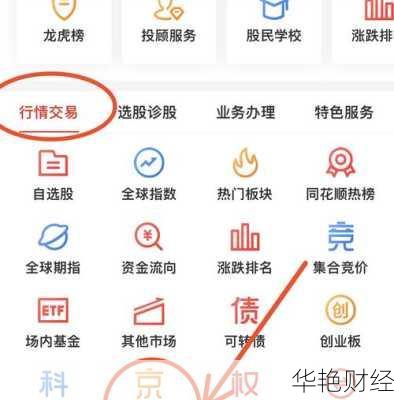
Choose a Purchase Method: You can buy stocks through various channels, such as brokerage trading software, mobile apps, or telephone orders. Consider factors like transaction fees, ease of use, and customer service when selecting a method. Many leading online brokers have eliminated commissions for online stock trading.
Place an Order: After selecting a stock, you can place an order through your chosen channel. You'll need to enter the stock code, purchase price, and quantity. The system will then match buyers and sellers to complete the transaction. When placing a stock order, you can use different types of orders:
Market Order: This is executed immediately at the current market price. It's a quick way to enter the market, but the final execution price may differ from the expected price.
Limit Order: This allows you to set a specific purchase price, ensuring price control, but it may delay execution. The order will only be executed if the stock reaches your specified price.
Portfolio Maintenance and Adjustment: After purchasing stocks, closely monitor the company's fundamentals and stock price movements. Adjust your holdings based on market changes and your investment strategy. You can sell stocks to realize profits or cut losses when necessary.
Risk Management: Stock investment involves risks, so it's important to manage them. You can reduce risk by setting stop-loss points, diversifying investments, and regularly adjusting your portfolio.
Continuous Learning: Stock investing is an ongoing learning process. Enhance your investment skills and knowledge by reading financial books, staying updated on market trends, and attending investment training.
Additional Considerations
Age Requirement: In China, individuals who are 18 years old or older can open A-share, B-share, and other securities accounts. Chinese citizens aged 16 to 18 who have their own income can also apply.
Required Documents: When opening a securities account, you'll typically need your ID card and bank card.
Account Limits: In the same market, an investor can open up to 3 A-share accounts and 1 B-share account.
Opening an Account: You can open an account in person at a brokerage营业部, or online. Online options include verification via 双向视频见证 or 单向视频见证.
Fees: Opening an A-share account costs 40元, but it may be halved to 20元 if you only open a Shanghai A-share account. Opening a Shanghai B-share account costs $19.
Shareholder Rights: When you buy shares of a company, you become a shareholder.
Direct Stock Purchase Plans (DSPP): Consider Direct Stock Purchase Plans (DSPP) to purchase stock directly from the company.
Dividend Reinvestment Accounts: Dividend reinvestment accounts automatically reinvest any dividends received from the company and use them to purchase more shares for the shareholder.